Mid-South regional geology presents severe subterranean termite pressure due to the humid subtropical conditions documented by the National Weather Service Memphis and the expansive properties of local loess silt soils…
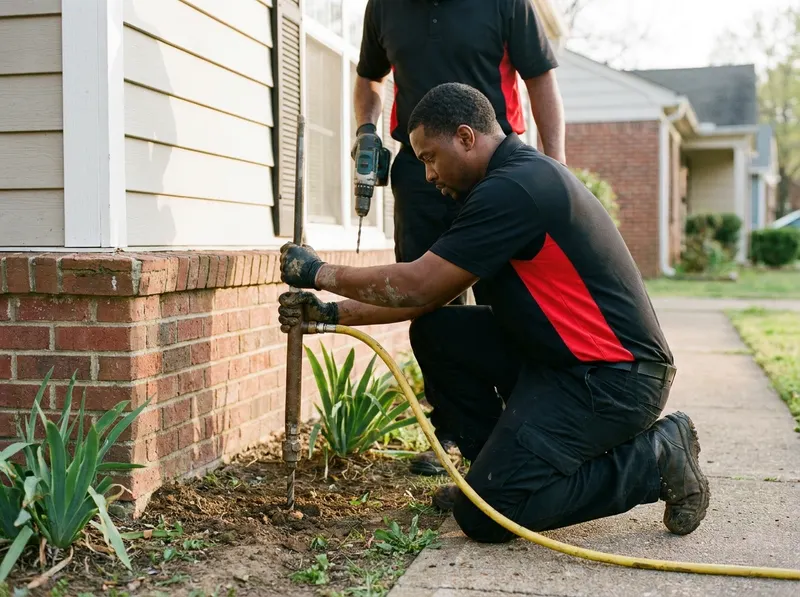
Mid-South regional geology presents severe subterranean termite pressure due to the humid subtropical conditions documented by the National Weather Service Memphis and the expansive properties of local loess silt soils identified by the United States Geological Survey. In historic Cooper-Young and Central Gardens, residential properties frequently rest on raised brick piers over open crawlspaces. These structural designs allow termite colonies direct, unmonitored access to floor joists through mud tubes erected along damp foundation masonry. In contrast, modern slab-on-grade construction common across East Memphis, Cordova, and Hickory Hill conceals settlement cracks beneath flooring, where plumbing penetrations create subterranean entryways. Subterranean termites require continuous access to ground moisture to prevent desiccation, foraging up to 150 feet from central subterranean nests to locate non-pressure-treated wood framing.
Effective defense requires an uninterrupted zone of non-repellent liquid termiticide or an ongoing bait matrix. Liquid applications mandate trenching 6 inches wide by 6 inches deep along all exterior foundation footings and foundation piers, treating backfilled soil at an exact rate of 4 gallons per 10 linear feet per foot of depth, compliant with EPA pesticide standards. Where attached patios, carports, or garages abut the primary structure, frequent features in High Point Terrace and Berclair, concrete slabs are drilled at 12-inch intervals within 6 inches of the foundation wall to inject treatment directly into sub-slab aggregate. The Tennessee Department of Agriculture regulates structural commercial applicators, requiring strict application adherence to protect residential water tables.
Homeowners weigh continuous liquid chemical barriers against subterranean baiting networks. Liquid non-repellent barriers provide immediate perimeter defense by eliminating foragers as they traverse the treated soil profile, passing active termiticides through social grooming back to the subterranean reproductive queen. Bait stations eliminate colonies systematically by utilizing insect growth regulators, offering an alternative for parcels situated adjacent to sensitive surface waters near the Wolf River basin or properties where drilling decorative stone slabs is structurally undesirable. The trade-off centers on intervention speed versus hardscape alteration: liquid barriers immediately isolate framing from subterranean pressure, whereas bait systems require several molting cycles to achieve complete colony elimination. Properties across Midtown and Whitehaven benefit from combined crawlspace interior trenching and exterior soil saturation to safeguard home equity against unmitigated subterranean structural decay.
Homeowner preparation requires clearing a 2-foot corridor along interior foundation crawlspace walls and external perimeters, ensuring uninterrupted soil access for application equipment. Technicians apply non-repellent termiticides that bond to soil particles, preventing horizontal migration or vaporization. Occupants and household pets need not vacate the interior during external foundation trenching, provided crawlspace access doors remain sealed during application. For properties with severe grade slope or standing water in Binghampton, installation of exterior vapor barriers aligned with standards from the Building Science Corporation and drainage remediation recommended by the Natural Resources Conservation Service prevents premature dilution of termiticide barriers, maintaining perimeter stability against high ambient ground moisture throughout Shelby County.
Every job gets a firm, written price after a free on-site visit.
Tell us about your subterranean termite treatment job in Memphis and we'll send a clear, written quote, usually the same day.
 RedCedar Pest Solutions